

The Connection Between Tire Age and Resale Value
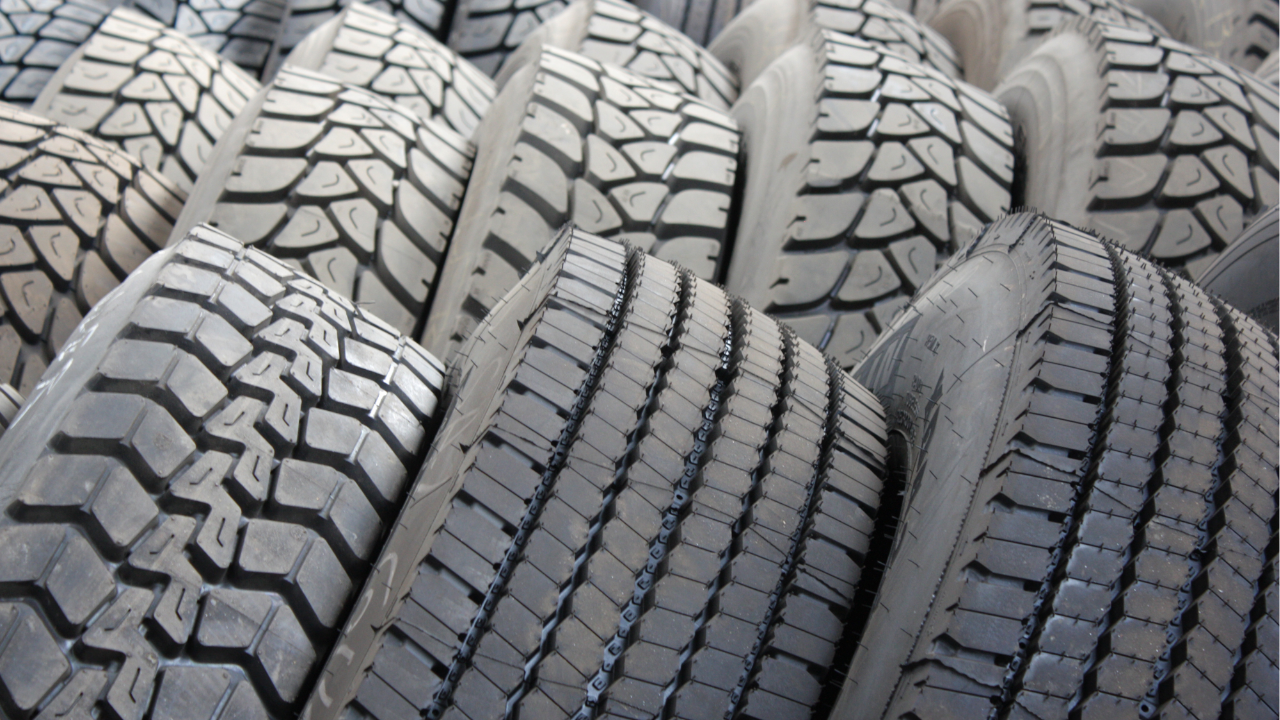
When it comes to buying or selling tires, age plays a much bigger role than many people realize. Whether you’re dealing with new inventory or pre-owned options, understanding how tire age affects resale value can help both dealers and customers make smarter decisions. Businesses like Tire Nation recognize that balancing quality and pricing is essential for long-term success.
Why Tire Age Matters
Tires naturally degrade over time, even if they haven’t been heavily used. Exposure to oxygen, temperature fluctuations, and storage conditions all contribute to this process. As a result, older tires often carry less resale value compared to newer ones in similar visible condition.
For customers browsing used tires, age can be just as important as tread depth. In many cases, a slightly worn but newer tire offers better reliability than an older tire with deeper tread.
How Tire Age Impacts Resale Value
Decreased Performance Perception
As tires age, buyers may question their durability and safety. Even when a tire appears visually sound, internal compounds may have started to break down. This perception alone can significantly reduce resale value.
Limited Buyer Confidence
Trust plays a major role in tire sales. Customers are more likely to invest in newer inventory, including options from trusted suppliers offering new tire solutions. Confidence directly translates into stronger resale pricing and faster turnover.
Pricing Adjustments
Dealers must adapt pricing strategies based on tire age. Older inventory typically requires competitive pricing to move efficiently, while newer stock allows for healthier profit margins. Insights from resources like how economic factors influence tire pricing in the wholesale market further highlight how multiple variables—including age—affect pricing decisions.
The Role of Quality in Used Tire Sales
Maintaining strict quality standards is essential when selling used tires. Businesses that prioritize inspection and grading can preserve both customer trust and resale value.
For example, learning from guides like how to spot high-quality used tires for resale helps dealers ensure that even older inventory meets reliability expectations. This approach strengthens customer relationships while protecting brand reputation.
Managing Inventory with Tire Age in Mind
Rotate Stock Regularly
Inventory that sits too long loses value. Dealers who actively rotate stock can prevent aging buildup and maintain consistent product quality. Strategies outlined in how smart inventory planning reduces tire overstock costs can help businesses stay ahead.
Monitor Storage Conditions
Proper storage slows down the aging process. Temperature control, limited sunlight exposure, and organized warehousing all contribute to preserving tire integrity. For deeper insights, refer to the importance of proper tire storage for dealers.
Align Inventory with Demand
Balancing new and used inventory allows dealers to serve a broader customer base. Understanding demand cycles—like those discussed in navigating seasonal demand: stocking the right tires at the right time—helps minimize aging stock while maximizing profitability.
Building Customer Trust Through Transparency
Transparency about tire age is one of the most effective ways to build long-term trust. When customers feel informed, they are more confident in their purchase decisions and more likely to return.
Dealers who clearly communicate product details—and back them with consistent quality—position themselves as reliable partners. This is especially important for those exploring partnerships through opportunities like becoming a tire dealer.
Supporting Long-Term Business Growth
A strong understanding of tire age and resale value supports smarter decision-making across the business. Companies that combine quality inventory with strategic planning are better equipped to compete in today’s market.
By leveraging insights from educational hubs like the Tire Nation blog library, dealers can stay informed about trends, pricing strategies, and operational best practices.
Additionally, building strong supplier relationships—such as those highlighted in the benefits of partnering with a reliable wholesale tire distributor—can further enhance inventory quality and turnover rates.
Final Thoughts
The connection between tire age and resale value is clear: newer tires typically command higher prices, while older inventory requires strategic pricing and management. For both dealers and customers, understanding this relationship leads to better purchasing decisions and improved outcomes.
By focusing on transparency, proper storage, and smart inventory control, businesses can maintain strong resale value while building lasting customer trust. To learn more about building a reliable tire business or exploring inventory options, visit the about Tire Nation page or reach out via the contact page.
