

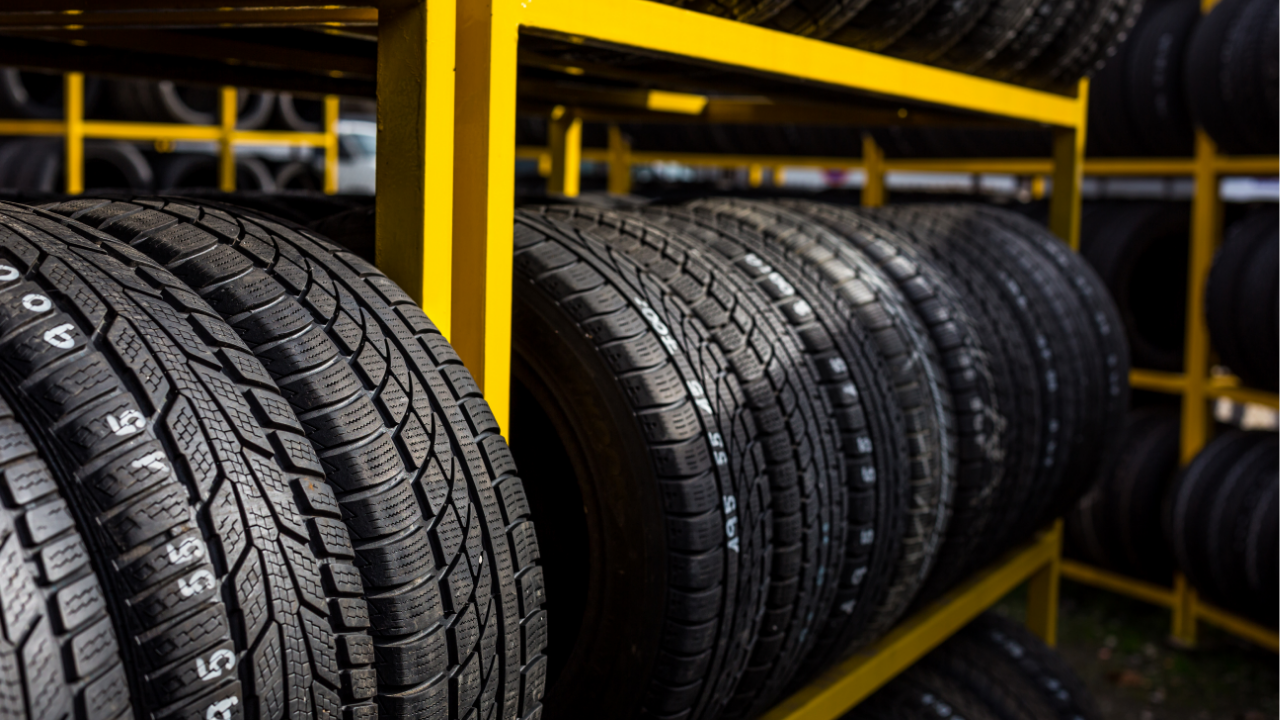
In the wholesale tire industry, packaging and handling are just as important as product quality. Whether you’re stocking new tires or used tires, proper storage and movement protect your inventory, preserve value, and maintain customer confidence.
For dealers working with Tire Nation by Country Tire, understanding best practices in wholesale tire handling can help improve efficiency, reduce damage, and support long term business growth. When you’re ordering bulk tires for resale, smart packaging and storage practices protect your investment and keep your operation running smoothly.
Why Proper Tire Handling Matters
Wholesale tires move in volume. From warehouse delivery to local resale, every step of handling impacts condition and presentation. Damaged sidewalls, improper stacking, or poor storage conditions can reduce resale value and affect customer satisfaction.
Dealers who prioritize organized packaging and safe storage demonstrate professionalism. This is especially important when selling to commercial clients, fleet managers, or repeat wholesale customers who expect consistency and reliability.
Working with a dependable supplier like Tire Nation helps ensure access to quality inventory, but maintaining that quality once it arrives at your location is your responsibility. Understanding the importance of storage practices is also highlighted in this guide on proper tire storage for dealers.
Best Practices for Storing Wholesale Tires
Keep Inventory Organized
Clear organization makes a significant difference in wholesale tire operations. Separate new tires from used tires, and categorize them by size or application such as passenger, agriculture, or off the road tires.
Organized inventory improves order fulfillment speed and reduces unnecessary movement, which can prevent wear or accidental damage. Dealers managing large inventory volumes often rely on structured systems similar to those described in this article on smart warehousing for bulk tire inventory.
When your warehouse is structured and clearly labeled, it also supports faster service, something customers appreciate when they need bulk orders quickly.
Store Tires in a Clean Controlled Area
Proper storage protects both new and used tire inventory. Keep tires in a clean, dry space away from unnecessary hazards. Avoid overcrowding stacks and ensure easy access to prevent excessive shifting or lifting that could compromise tire condition.
Ignoring these factors can lead to costly damage, as discussed in the article on the overlooked costs of poor tire storage.
Maintaining a professional storage environment reflects positively on your dealership and supports long term inventory value.
Handling Bulk Tire Deliveries Efficiently
Inspect Upon Arrival
When receiving wholesale shipments, conduct a visual inspection before final storage. Confirm order accuracy and check overall condition. This step helps maintain quality control and ensures smooth resale operations.
Inspection processes are an important part of maintaining distribution standards similar to those discussed in the role of quality assurance in wholesale tire distribution.
Having a consistent inspection process aligns with the professionalism expected in the wholesale tire market.
Use Proper Lifting and Movement Techniques
Moving bulk tires safely reduces risk of damage and workplace injury. Avoid dragging tires across rough surfaces and use appropriate equipment when handling larger quantities.
Careful movement preserves tread and sidewall condition, especially when managing high volume used tire inventory. Efficient handling practices also improve turnaround time when fulfilling orders for customers.
Dealers managing high volume shipments often benefit from the logistics strategies discussed in how to streamline logistics and delivery for your wholesale tire business.
Protecting Used Tire Inventory
Used tires require additional attention. Because they are already part of the resale market, preserving their inspected and graded condition is essential. Keep them stored separately from new inventory and clearly label grading information to maintain transparency with buyers.
Clear grading and labeling practices help dealers maintain trust with customers. Retailers looking to strengthen transparency can learn more in this guide on building dealer trust through transparent tire grading.
Maintaining these standards helps protect your brand reputation while ensuring customers receive the quality they expect.
Support Your Growth With Smart Operations
Strong wholesale operations are not only about pricing. They are about reliability, organization, and consistency. Dealers who manage packaging and handling effectively reduce loss, increase efficiency, and build stronger relationships with customers.
Many successful dealers also take advantage of insights shared across the Tire Nation blog to improve their wholesale strategies and operations.
As your business grows, organized storage systems and structured inventory management become even more important. Whether you are expanding into new markets or increasing bulk purchasing, operational discipline supports scalable growth.
Businesses interested in long term partnerships can learn more about the company through the Tire Nation by Country Tire team and explore opportunities to become a wholesale tire dealer.
In wholesale tire sales, details matter. Proper packaging and handling protect your inventory, preserve tire quality, and strengthen your reputation with every order. For additional support or partnership inquiries, dealers can always contact the Tire Nation team.
